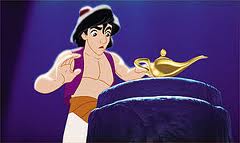
The animation renaissance that I would date from 1982 to 1994 is my favorite era of entertainment. I was born in 1991 and grew up with the influence and impact of these cartoons. The renaissance is when animation was able to reach new audiences, new levels of success and heights of quality. The medium reestablished itself as an indispensable part of our culture. Here is a look at the most important animated series of this exciting period.

10. Tiny Toon Adventures (98 episodes, 1990-1992, Syndication and Fox Kids)
They're Tiny, they're Toony, they're all a really great. Tiny Toon Adventures was the first television cartoon that Steven Spielberg was a producer on. This was Warner Bros. animation's return to fame, the studio would reach heights they hadn't seen since the Termite Terrace shorts. Tiny Toons is unlike any other franchise update, it creates its own characters and identity while being true to the spirit and quality of the original Looney Tunes. The characters match up with Bugs and Daffy but are able to have their own identities and dynamics. Also this series features great appearances from the original Looney Tunes, bridging the two generations. This series is full of sight gags, pop culture irreverence and wit. It is everything that Warner Bros. does at their best.

9. Gargoyles (78 episodes, 1994-1997, Disney Afternoon and ABC)
Disney theatrical animation was the king of the animation renaissance, but the output of Walt Disney Television Animation was just as influential. The Disney cartoon with the biggest following is easily this action cartoon. The tight storytelling, heavy action and high quality designs were unseen in television animation. TV animation is normally economical and made for the assembly line, but everything about Gargoyles (the writing and the art) was an artistic endeavor. This show has a strong, dedicated fan base. The legacy of the show has continued in comics written by series creator Greg Weisman.

8. VeggieTales (48 episodes, 1993-present, Home Video)
Not a TV series like the rest of this, this was an original series for a whole different medium. VeggieTales is important because it was created by nonprofessionals for a market that was not being reached. The fun characters and funny gags were different from the sanitized, uncreative material that conservative Christians usually receive and they have supported the franchise for twenty years. The series with a message is so accessible that it has a large following outside of Christian children. It is rare to see animation used for something outside of money, but VeggieTales is continuing proof that the medium can be used for anything. It is also a great example of early successful computer animation.

7. Animaniacs (99 episodes, 1993-1998, Fox Kids and Kids' WB)
Tiny Toons brought Warner Bros. back, and the studio continued to improve with this fun series. Irreverent and wacky, Animaniacs pulls no punches and follows no formulas. It is a return to animation for the sake of fun and it really holds up. The series gifted us with great characters, jokes and really catchy songs. The series spun off into Pinky and the Brain, continuing the incredible collaborations of Spielberg and WB.

6. Batman: The Animated Series (85 episodes, 1992-1995, Fox Kids)
This is the best comic book adaptations have ever been. This is better than superhero movies and even superhero comics. This series had a great grasp on Batman in the characterization and the visual style of Gotham. The series was dark and mature, but exciting and fun enough to win over kids as well as adults. The universe was so real that it expanded into feature films and further adaptations of DC comics: Superman: The Animated Series, Batman Beyond and Justice League. This show was so good that it did not stop with this show, the legacy of it is still being felt in the comic books.

5. DuckTales (100 episodes, 1987-1990, Syndication and Disney Afternoon)
Disney's greatest television success. It was made in a time when toyetic, cheaply produced assembly line animation ruled the airwaves and audiences responded with this change in quality. DuckTales had a high budget, the best animation a TV series could have and great characters. The series had varied adventures, rather than sticking to one formula. It kept the spirit of the Carl Barks comics, immortalizing Scrooge and his nephews and gifting the world with the breakout character of Launchpad. DuckTales was successful well into the nineties and is still remembered fondly today.

4. Ren and Stimpy (52 episodes, 1991-1996, Nickelodeon)
Television animation is rarely associated with an artist or creator, Ren and Stimpy is the exception. The star of the series was really the style and personality of John Kricfalusi. Animation die hards watched this series as well as mainstream children audiences. Today, Nicktoons are the most successful cartoons on television and that started in 1991. But while the other initial Nicktoons were runaway hits (Rugrats) or supported by the network (Doug), Ren and Stimpy was remembered as a great piece of animation. The surrealism and mature humor is still unlike anything in TV animation.

3. Adventures of the Gummi Bears (64 episodes, 1985-1991, NBC and ABC)
While this is one of Disney's best animated series it is hard to argue that it is better than DuckTales or Gargoyles. Other cartoons from Walt Disney Television Animation such as Chip 'n Dale Rescue Rangers, TaleSpin, Darkwing Duck and many others seem to have larger followings but this was the start of quality TV animation in general. Disney put money into the animation and storytelling, it was unlike the cheap efforts from Hanna-Barbera or the cheaper efforts of Filmation. Gummi Bears was when television animation became more than just a pastime or diversion for children. Gummi Bears' influence is still being felt today.

2. Mighty Mouse: The New Adventures (19 episodes, 1987-1988, CBS)
While this popular series only aired 19 episodes due to resistance from watchdog groups (in one of the most ridiculous controversies of all time), the field of animation was watching. Read any animation article or book from 1987 on and chances are this series will be mentioned. Animators and aficionados hold this show in such high regard because it was the first time on television that a cartoon was lead by an artist's vision. This was not made to sell toys, it was made to entertain by luminaries that believed in it. Ralph Bakshi, John Kricfalusi, Andrew Stanton, Bruce Timm, Rich Moore and many other animation luminaries worked on this show or got their start on it. The humor of the series led to Who Framed Roger Rabbit, Ren and Stimpy, Animaniacs and many others. This series was pleasing to the eyes, the heart and the funny bone. It was short lived, but its influence was monumental.

1. The Simpsons (521 episodes, 1989-present, Fox)
This was not just a cartoon that was enjoyed by animation buffs. It was not just enjoyed by children. This was a pop culture phenomenon that everybody was watching. It had an older target audience, but found its way into pretty much every demographic. One of the few times that a cartoon had that large and lasting of a reach. The Simpsons is continuing today and holds a lot of weight worldwide. Definitely the most important television cartoon of all time.